

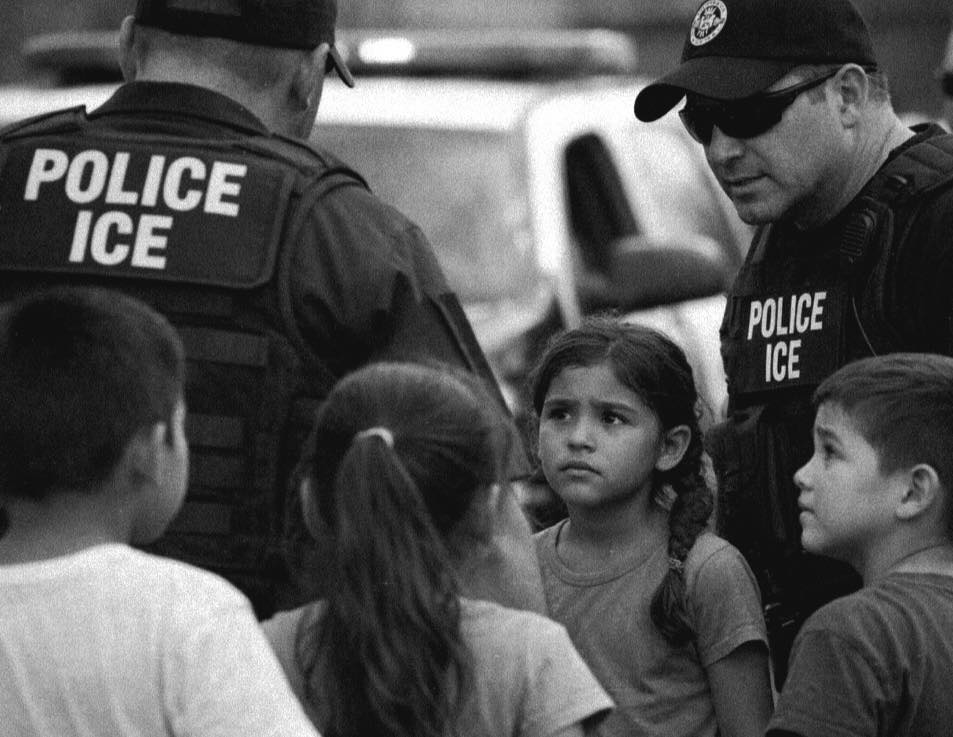
In light of growing anxiety among refugee families and children, our organization is committed to responding with clarity, compassion, and care. The following guidance is designed to help reduce fear, protect dignity, and ensure emotional safety for children and those who serve alongside them.
What to Say to Refugee/Immigrant Children if you are with them:
1.) The most important principle when speaking with children is this: do not lead with enforcement or fear. Lead with safety and care.
A simple script adults may use or adapt is as follows:
“I want you to know something first:
You are not in trouble.
You are not bad.
You matter, and you are not alone.”
2.) Pause and allow the child time to absorb these words.
Then continue:
“Sometimes adults in uniforms talk to people to ask questions.
That can feel scary—especially if you’ve lived through hard things before.
If that ever happens, the most important thing is this:
Stay calm, stay respectful, and stay with trusted adults.”
For older children or teenagers, adults may gently add:
“You do not have to answer questions if you don’t understand them.
It is okay to say, ‘I need to talk to a trusted adult first.’
That is not being rude. That is being careful.”
3.) End with reassurance:
“No matter what, there are adults here whose job is to care for you, protect you, and help you.
You are not facing this by yourself.”
What Not to Say to Children
To protect emotional stability and avoid retraumatization, adults should not:
 Describe raids, arrests, or worst-case scenarios Say “ICE might come for you” Ask children about their immigration status Promise outcomes that cannot be controlled (such as “They won’t ever come”)
Children need stability and reassurance, not detailed explanations of complex adult systems.
Be Clear, steady, and trauma-informed!
Everyone plays a critical role in shaping a calm and safe environment. They need confidence and consistency, not fear-driven reactions.
Core Posture and Reminders for Those of You who Volunteer as Migros Mentors to Families
Volunteers should be reminded plainly:
“Your role is not to give legal advice or investigate anyone’s story.
Your role is to remain calm, respectful, and protective of dignity.”
Key Guidance for Volunteers
1. Never question children or families about immigration status
This should not be done:
Out of curiosity
To “help”
To prepare for possible situations
Questioning status can retraumatize children and families.
2. If law enforcement or immigration officers appear when you are present, you should:
-Stay calm and polite
-Avoid confrontation
-Not provide information about children or families
– Immediately involve organizational leadership or a designated point person
Volunteers can remember it this way:
“We don’t panic.
We don’t argue.
We don’t give information we’re not required to give.
We stay grounded and present.”
3.) Focus on emotional safety first
Especially when children are present:
Keep voices low
Keep routines steady
Redirect attention to normal activities
Reassure without overexplaining
4.) Use trauma-aware language
Many refugee children associate uniforms with violence or loss. Volunteers are encouraged to use simple, grounding phrases such as:
“You’re safe right now.”
“I’m here with you.”
“Let’s take a slow breath together.”
This guidance reflects our commitment to protecting the dignity, emotional well-being, and safety of refugee children while equipping volunteers to respond with wisdom, calm, and compassion.


